What is Sustainability?
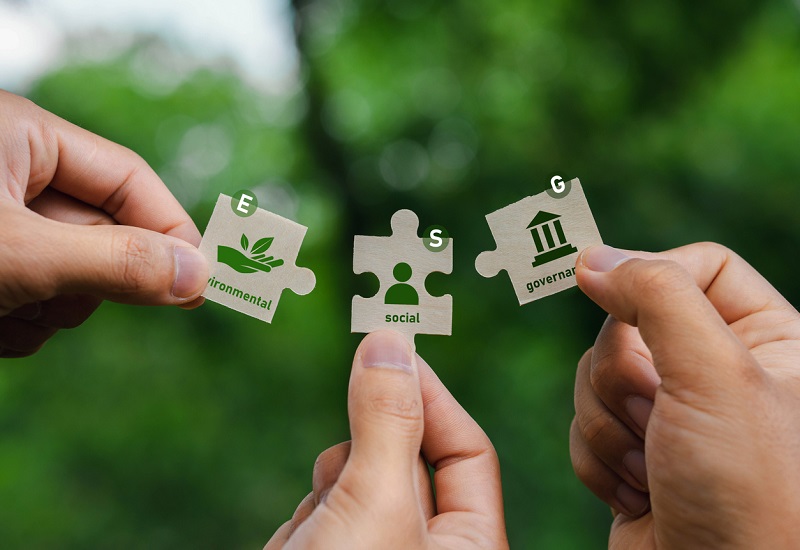
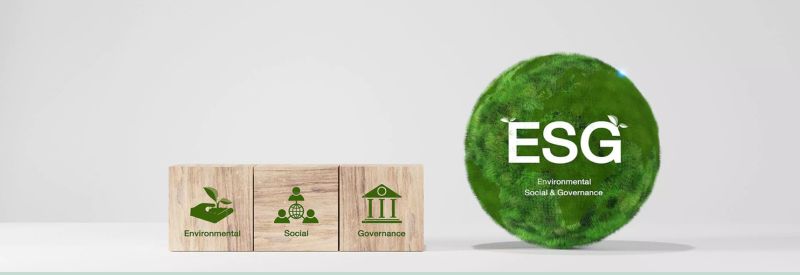
Sustainability can be defined as the process of making decisions that benefit not only the organization but society as a whole, while minimizing its impact on the environment. It integrates environmental, social, and economic (ESG) criteria into purchasing decisions, aiming to minimize environmental damage, ensure ethical labour practices, and enhance long-term profitability.
Now a days organisations are discovering that responsible sourcing is not just a moral imperative but a business necessity that drives long-term value creation whilst maintaining competitive advantage.
Procurement teams also should rethink about their evaluation criteria, expanding beyond traditional cost and quality metrics to include sustainability, labour practices and broader social impact considerations.
Key Principles of Sustainable Procurement
- Lifecycle Thinking: It is a holistic approach which assesses the environmental, social and economic impacts of a product or service from raw material extraction to final disposal, not just the initial purchase price.
- Accountability & Transparency: These are the key fundamentals of sustainability include communicating sustainability expectations clearly and ensuring transparency within the supply chain, often guided by standards like ISO 20400.
- Ethical Behaviour & Social Responsibility: Ensures the organisation acts with integrity, fairness, and accountability to balance profit with environmental protection and societal well-being, while also ensuring suppliers adhere to fair labour practices, human rights, and anti-corruption standards.
- Environmental Stewardship: This refers to the responsible management, conservation, and restoration of natural resources by individuals, organizations, and governments to ensure ecosystem health for current and future generations. It Prioritises eco-friendly products, waste reduction, and lowering carbon footprints throughout the supply chain.
- Collaboration & Innovation: Collaboration and innovation in sustainability involve cross-sector partnerships, sharing knowledge, and systemic thinking to develop ecofriendly solutions. Key approaches include sustainable supply chain management, using digital tools, and integrating diverse perspectives to create long-term environmental, social, and economic value.
Key Benefits of Sustainable Procurement
The 7-step strategic sourcing process is a general playbook for businesses seeking to move beyond traditional sourcing techniques. It is a template that procurement leaders can customize to their organization’s needs and goals.
- Cost Savings & Efficiency: Lowering operational costs through reduced energy consumption, minimal waste, and optimized resource use.
- Risk Mitigation: Minimizing legal, environmental, and reputational risks by ensuring supplier compliance with ethical and safety regulations.
- Enhanced Reputation: Improving brand value and meeting customer demand for sustainable products, leading to a competitive advantage.
- Long-Term Supply Security: Reducing vulnerability to scarcity and market volatility by building stable, sustainable supply chains.
- Regulatory Compliance: Staying ahead of environmental, social, and governance (ESG) regulations.
Framework of Sustainable Procurement
In sustainable procurement, there are certain frameworks like the 5Rs, 5S, and 5Ps which are used to minimize waste, improve efficiency, and ensure ethical, long-term sourcing. Let’s discuss on this.
5 R’s of Sustainable Procurement
The 5 R’s of sustainable procurement are a set of principles which helps in reducing waste generation. The 5R’s are Refuse, Reduce, Reuse, Repurpose & Recycle. Let’s explain this to you.
- Refuse: Refuse to buy wasteful or non-recyclable products. We should ask vendors to avoid unnecessary product packaging and request reusable or returnable containers.
- Reduce: Reduce the use of harmful, wasteful, and non-recyclable products. This will help in less waste generation resulting less negative environmental impacts.
- Reuse: Now a days using of Single-use plastics have become a big concerning factor for all of us. The rate at which we consume plastics has become unimaginable, and the plastic crisis has become one of the world’s greatest environmental challenges. To reduce the waste generation, we should reuse items throughout the workplace instead of buying new ones.
- Repurpose: We should try for repurposing of every item that can’t be refused, reduced, or reused. Many environmentalists called it as ‘Upcycling’. One product can serve different purposes. Sometimes it requires using some creativity, but the possibilities are endless.
- Recycle: Recycling is the most environmentally friendly waste disposal method. In this process waste materials are collected, processed and new product manufactured. This process helps in less landfill of waste, conserve natural resources, lowers GHS emission.
5S’s of Sustainable Procurement
5S’s are a lean methodology for organization to create a clean, organised & efficient work environment. The 5S’s are Sort, Set in Order, Shine, Standardize and Sustain. Let’s explain this to you.
- Sort: Eliminating unnecessary items from the workplace that are not needed. This will help in reducing clutter & using resources efficiently.
- Set in Order: Arranging necessary items in an organized, logical, and efficient manner. This will help in optimizing the space.
- Shine: Cleaning of work area on regular basis to maintain an organised environment.
- Standardize: Establish a procedure to ensure that first three S’s can be maintained consistently.
- Sustain: Develop a disciplined approach to make 5S a habit & part of work culture is long term.
5P’s of Sustainable Procurement
5P’s of sustainable procurement refers to the United Nations’ Sustainable Development Goals (SDGs), which are structured around People, Planet, Prosperity, Peace, and Partnerships. Let’s explain this to you.
- People: This pillar focuses on eliminating poverty and hunger, ensuring good health and well-being, promoting quality education, and achieving gender equality for all individuals.
- Planet: It addresses the protection of Earth’s natural resources and climate by focusing on issues like clean water, responsible consumption and production, climate action, and life on land and below water.
- Prosperity: This pillar aims to ensure that all people can enjoy a prosperous and fulfilling life by focusing on decent work and economic growth, industry and innovation, and reducing inequalities.
- Peace: It emphasizes creating peaceful, just, and inclusive societies by promoting strong institutions and tackling violence, corruption, and other threats to stability.
- Partnership: This final pillar highlights the importance of global cooperation and collaboration between governments, businesses, civil society, and individuals to achieve the other four goals.
Limitation of Sustainable Procurement
Sustainable procurement is primarily limited by higher upfront costs, limited supplier options, and complex, time-consuming compliance tracking. Other major barriers include lack of internal expertise, difficulty in measuring long-term ROI, and greenwashing risks, which together hinder effective implementation and consistent supply chain adoption.
Key limitations of sustainable procurement include:
- Economic Constraints: Sustainable goods often have higher initial purchase prices, making it difficult to justify expenses, especially when lower-cost alternatives are available.
- Supplier Resistance and Limited Options: Suppliers may lack the resources, knowledge, or willingness to adopt sustainable practices, leading to a smaller pool of qualified vendors.
- Data and Measurement Challenges: It is difficult to access, verify, and measure accurate data regarding environmental and social practices across complex supply chains.
- Complexity and Lack of Resources: Implementing these policies requires intensive training, monitoring, and administrative effort that many organizations cannot afford.
- Greenwashing: The difficulty in distinguishing truly sustainable suppliers from those that falsely claim to be can undermine trust and initiative goals.
- Short-Term Focus: Organizational pressure for immediate cost savings often overrides long-term sustainability benefits.
- Lack of Uniform Regulation: A lack of consistent, mandatory governmental regulations reduces the urgency for companies to adopt sustainable practices.